This is our first morning at Mashatu Game Reserve. To start the day, Tips brought us over to the Matebole Hide that Euphorbia has set up next to a watering hole. As usual, we left the lodge at sunrise, around 6:30am.
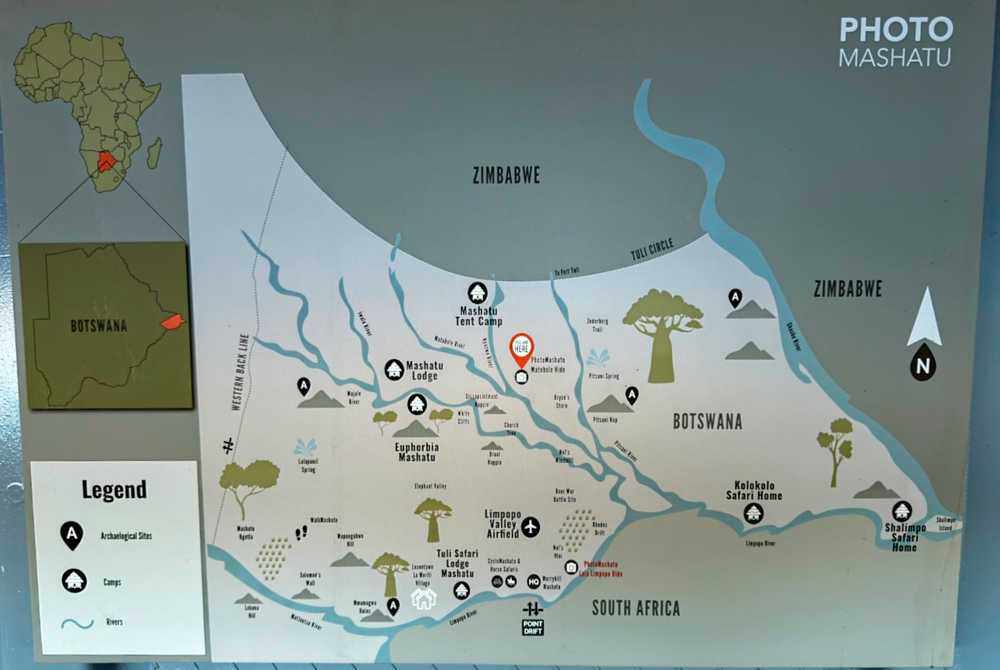
This map was hanging in the hide. The red mark is where the Matebole Hide is. You can also see where Euphorbia is, a bit to the left of the hide.
Here’s what the hide looks like. I’m standing next to the photo guide at the far end of the hide. It’s neat how it’s at ground level with the watering hole. I was setting up my camera on a small tripod and testing it out before animals arrived.
There was one other person at the hide, so it wasn’t busy.
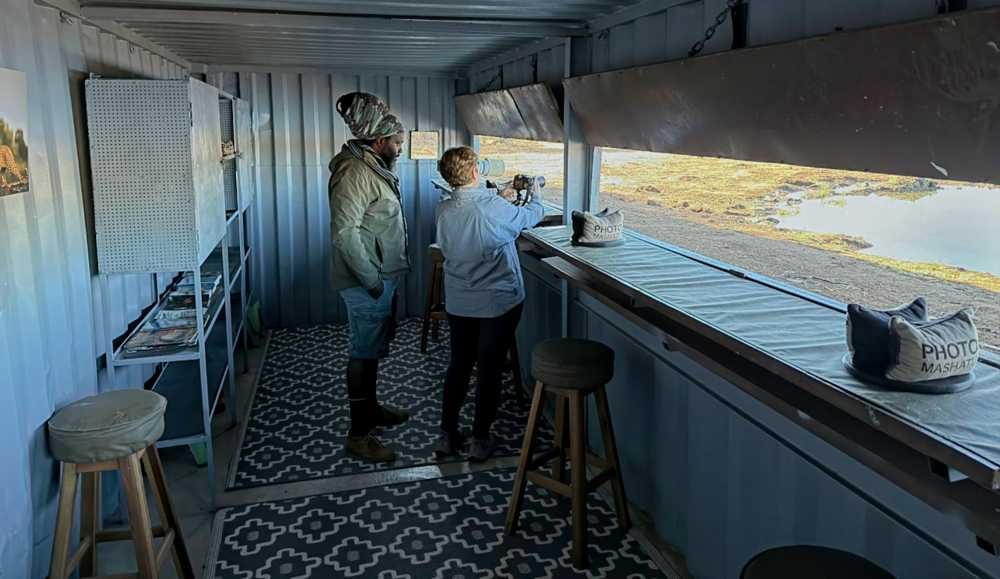
During the dry season, the watering hole is very popular, especially with elephants. However, during our trip, although it was the dry season, there was still plenty of water in the riverbeds. So, we didn’t see any elephants at the hide. We saw birds and some impalas.
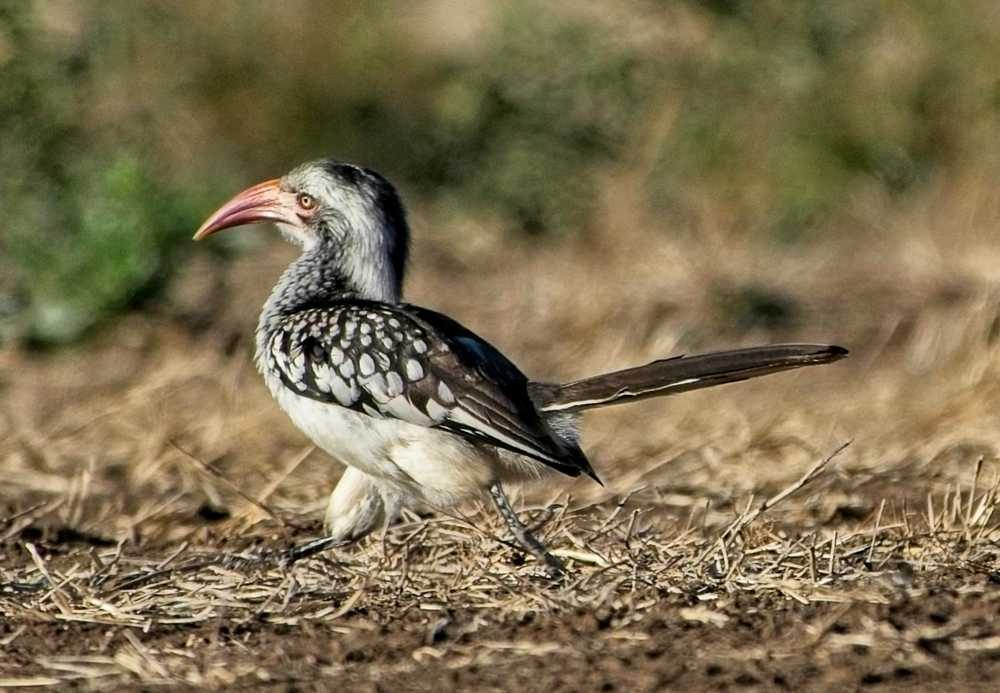
We saw this southern red-billed hornbill pecking around on the ground. We saw a LOT of these and the yellow-billed hornbill at Mashatu. Interestingly, they mainly forage on the ground.
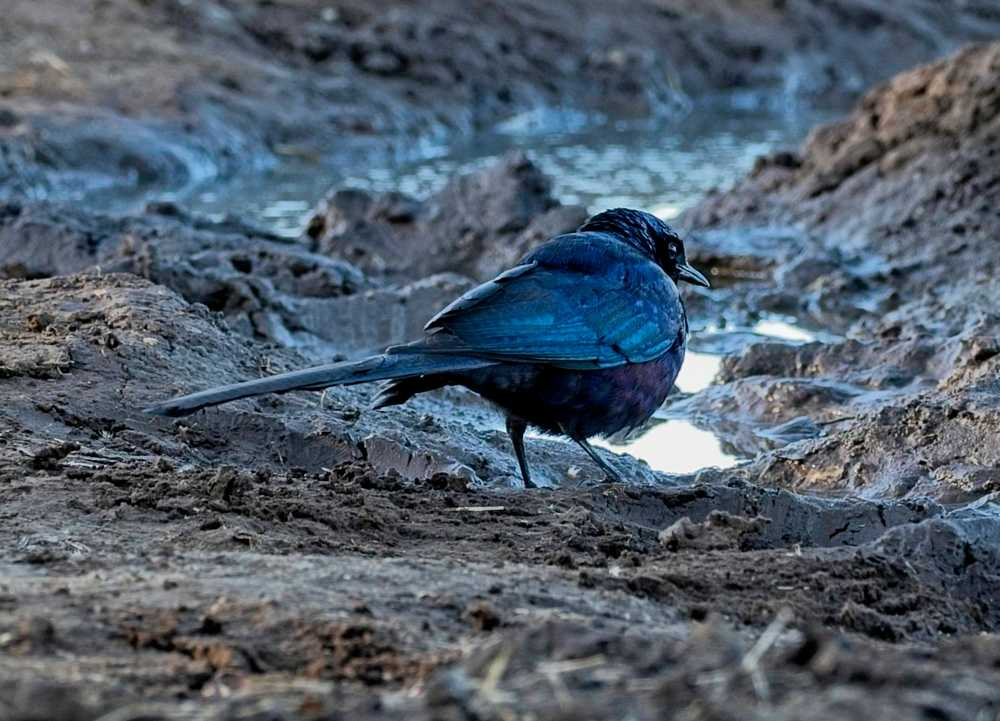
Another bird we saw frequently at Mashatu was the Meve’s starling. They have long tails and are beautifully iridescent, with purples and blues. This isn’t the best photo to show off the iridescence, but you can see a bit of the purple (chest) and blue (wing) colors.
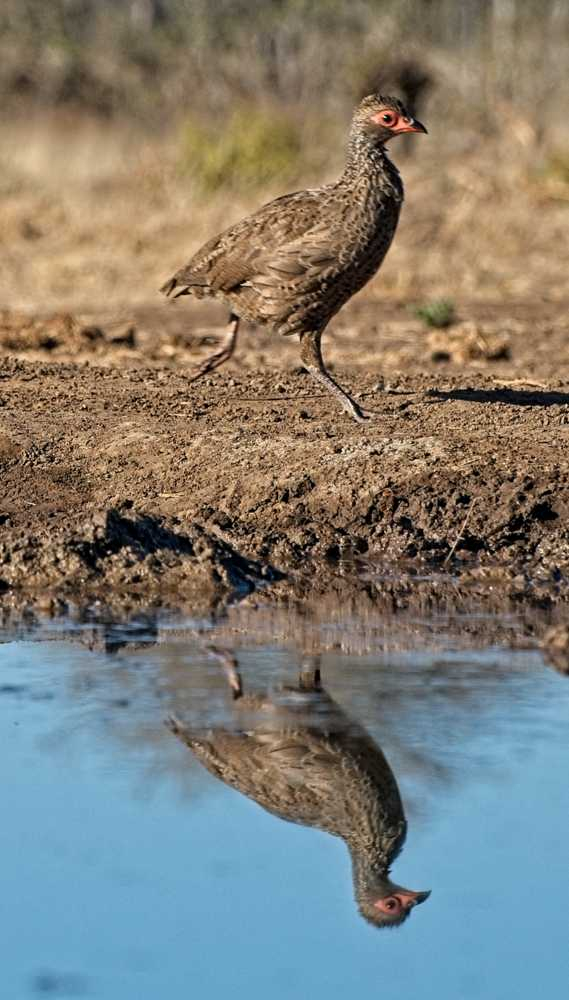
We also saw a flock of Swainson’s spurfowl drinking at the watering hole. As you can guess from their shape, they are ground birds. We got some great photos of them, but I liked this one with the reflection in the water the best.
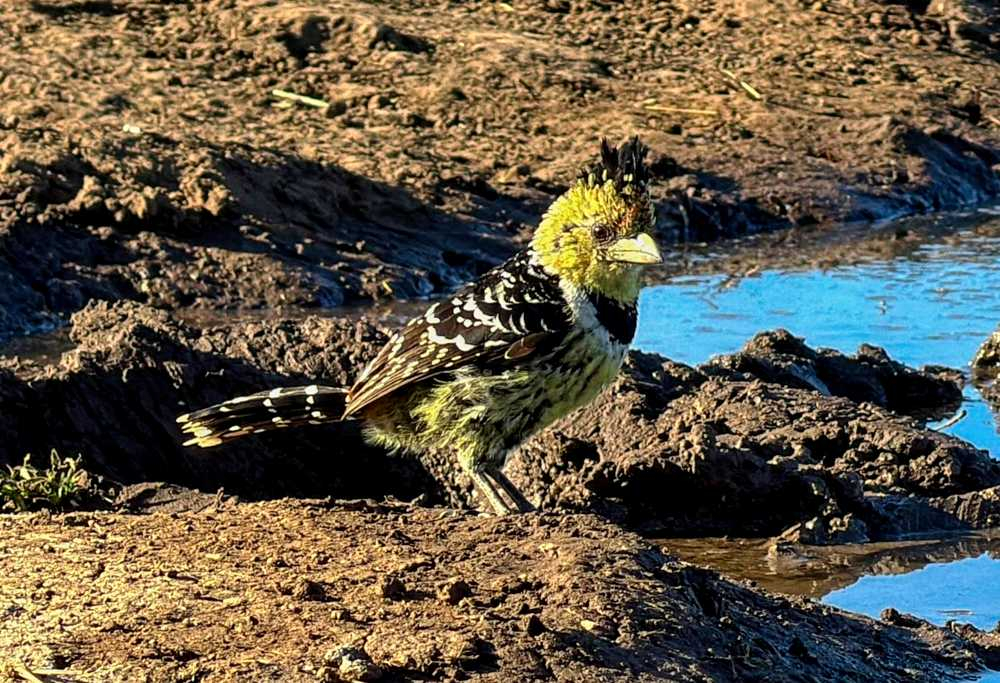
We did see other birds, but didn’t get good photos of them. Birds are hard to photograph because they are always moving. The last good bird photos we got were of a crested barbet. This first picture looks like he may have been taking a bath. Maybe.
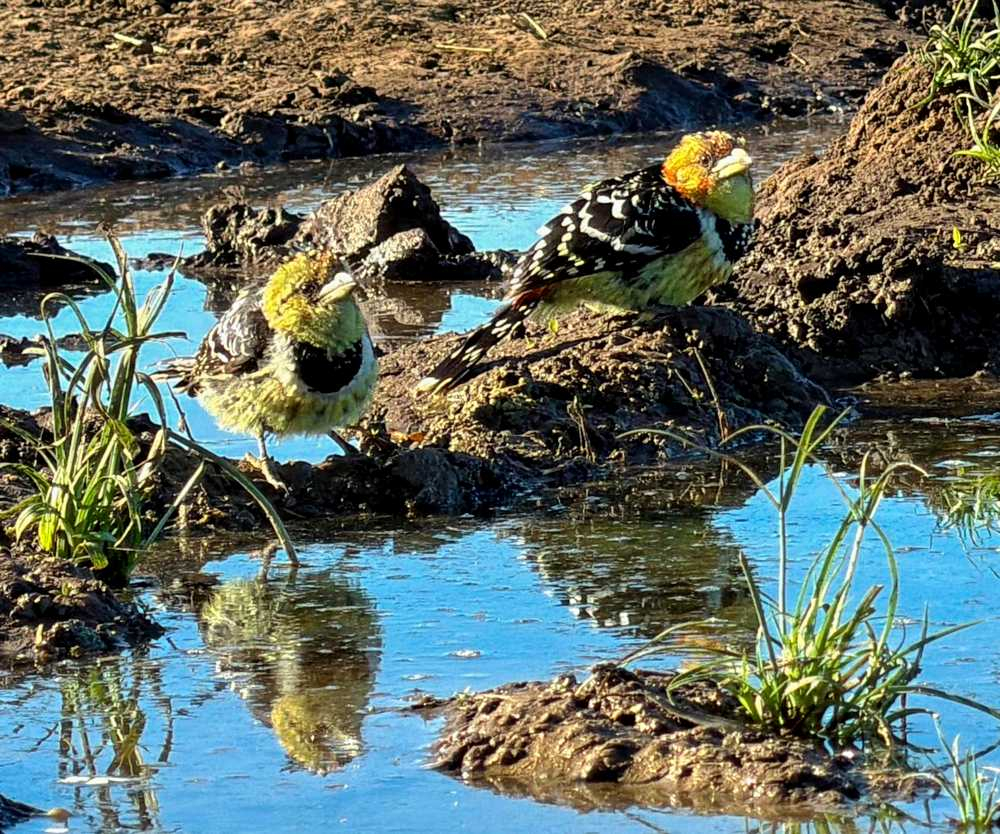
Then, these two were drinking.
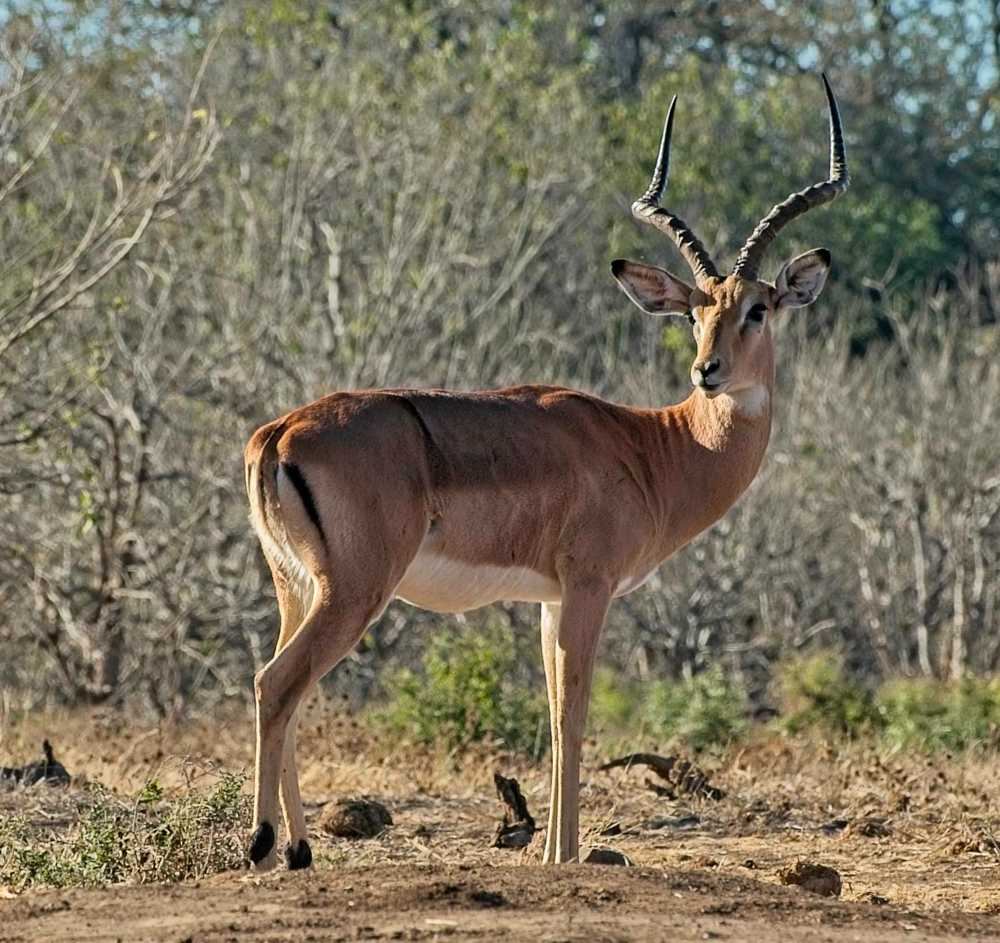
Finally, an impala came wandering by. He had a beautiful set of horns. He didn’t drink, just wandered through the area.
Since there weren’t any other animals, we decided to leave after a couple of hours. Tips picked us up and we continued on with our morning game drive.
We saw a lot of different animals – from lions and leopards to zebras and elephants! Even some more interesting birds.
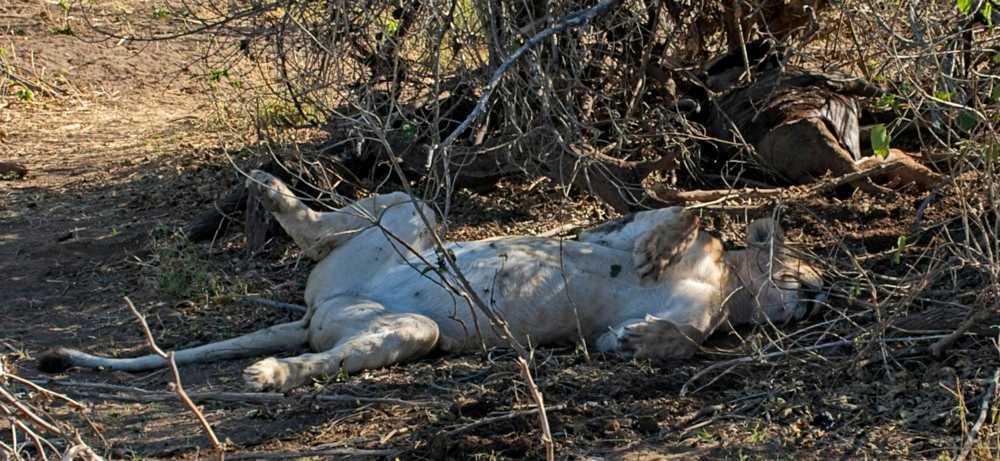
Pretty quickly, we found this lioness relaxing in the shade. If you look behind her (upper right) in the brush, you will see a carcass. I think it’s a wildebeest. It looks like the lioness was taking a nap after her meal. Rough life being a top predator!
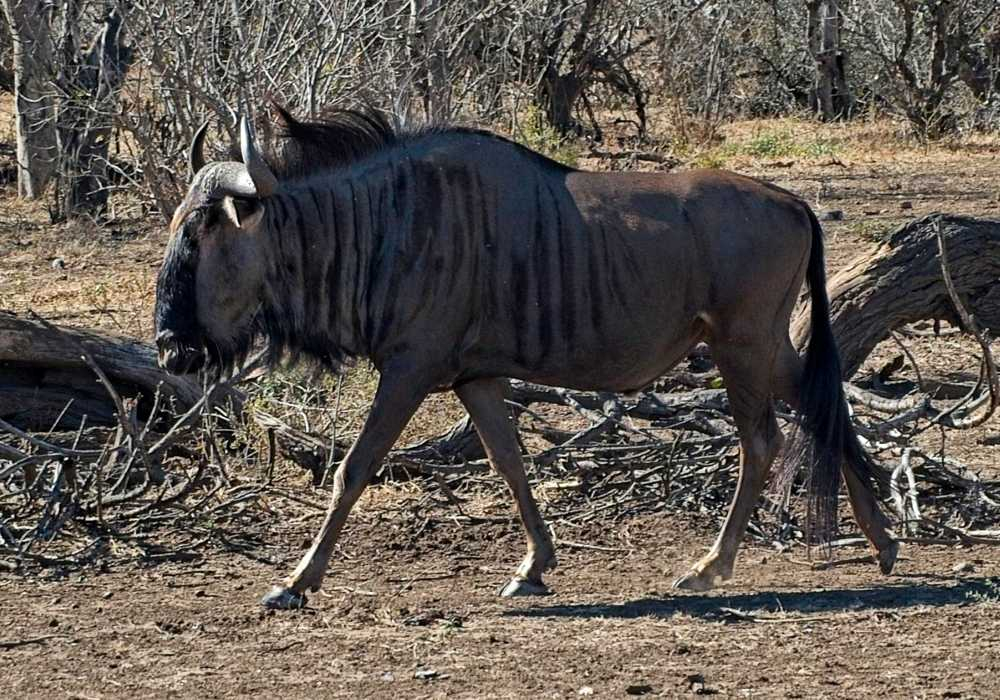
And here is a live wildebeest. We see individual wildebeest fairly often vs. herds.
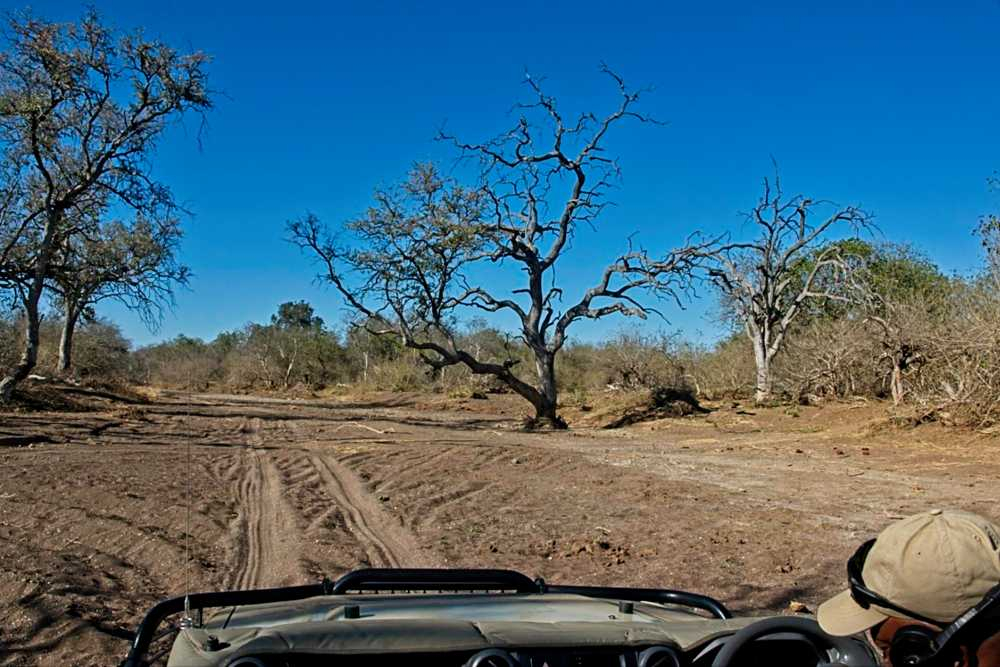
We drove along one of the dry riverbeds…
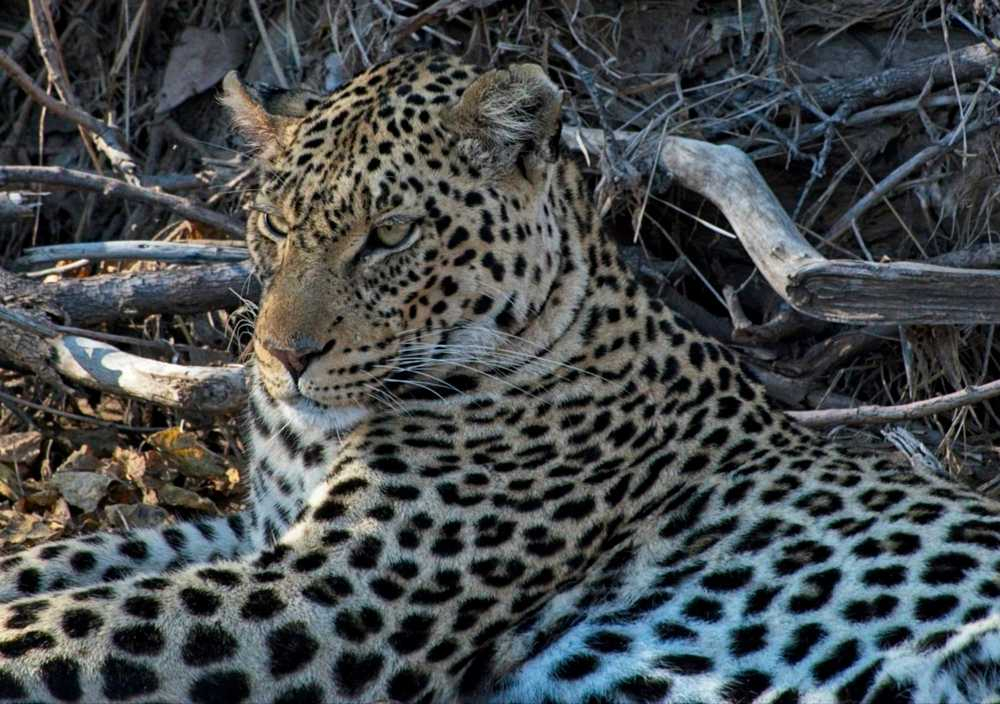
And… In the shade under one of the trees, we found a leopard. What a beautiful animal! She was sleeping on her side, then decided to roll around a bit and over to her other side.
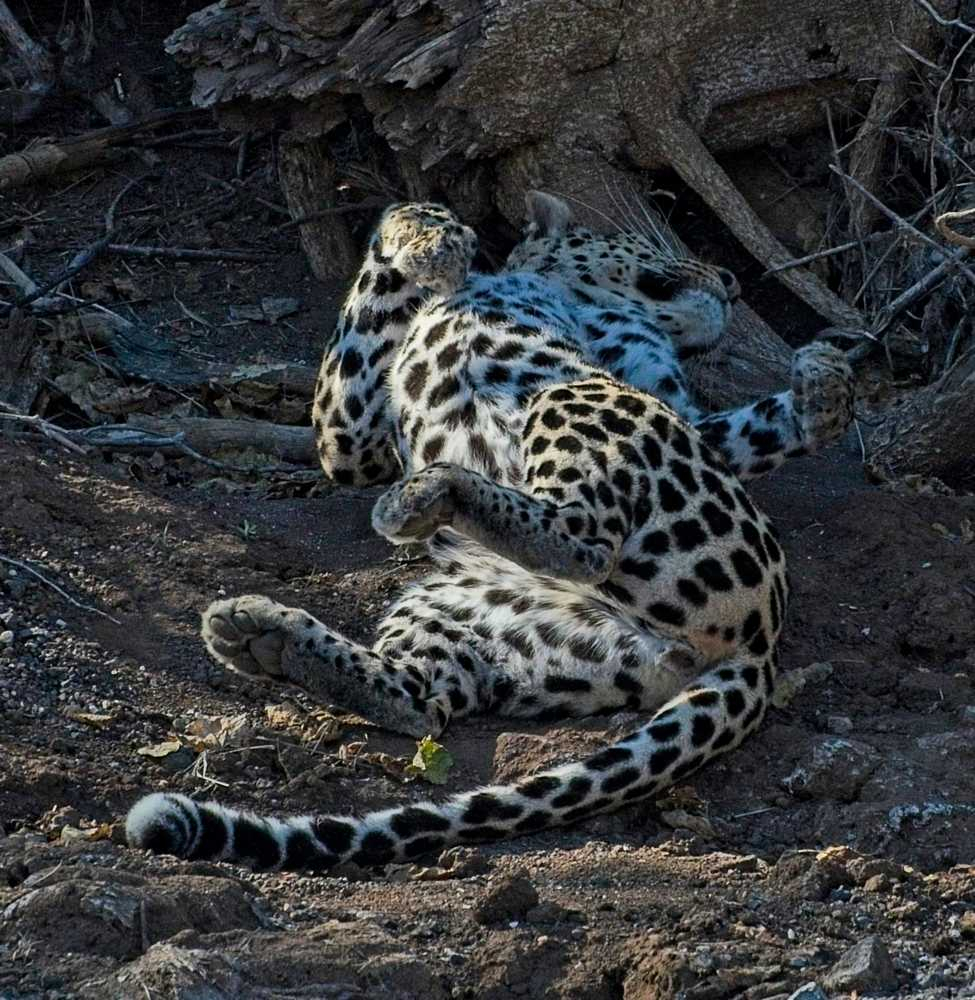
After a bit, she decided to move to a different spot.
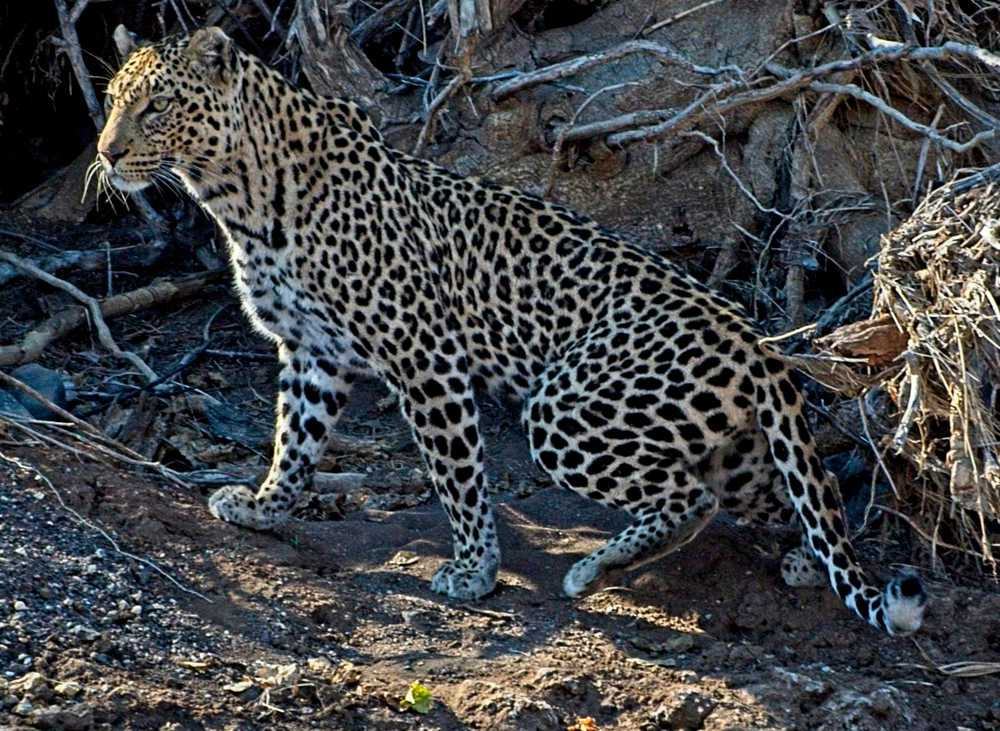
Then, she settled back down for another nap. But not before I got this great portrait of her.
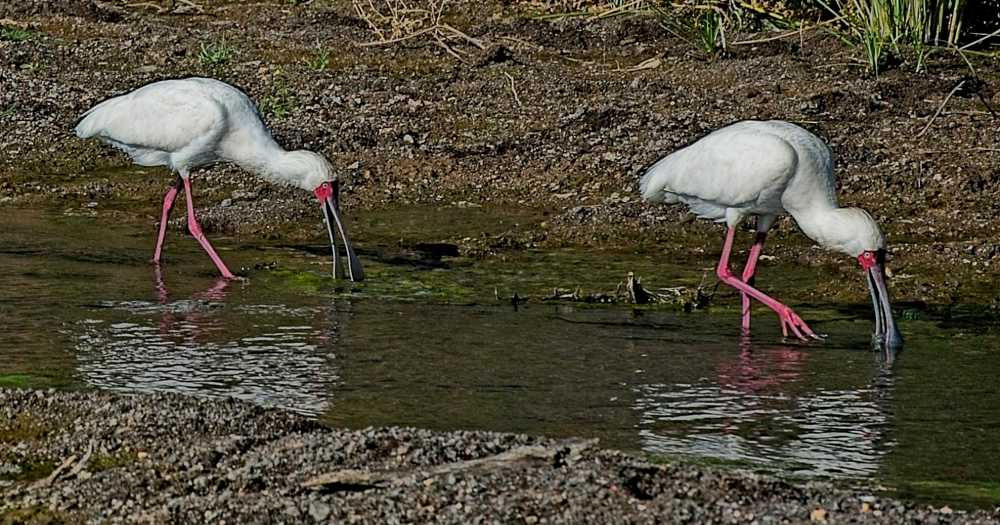
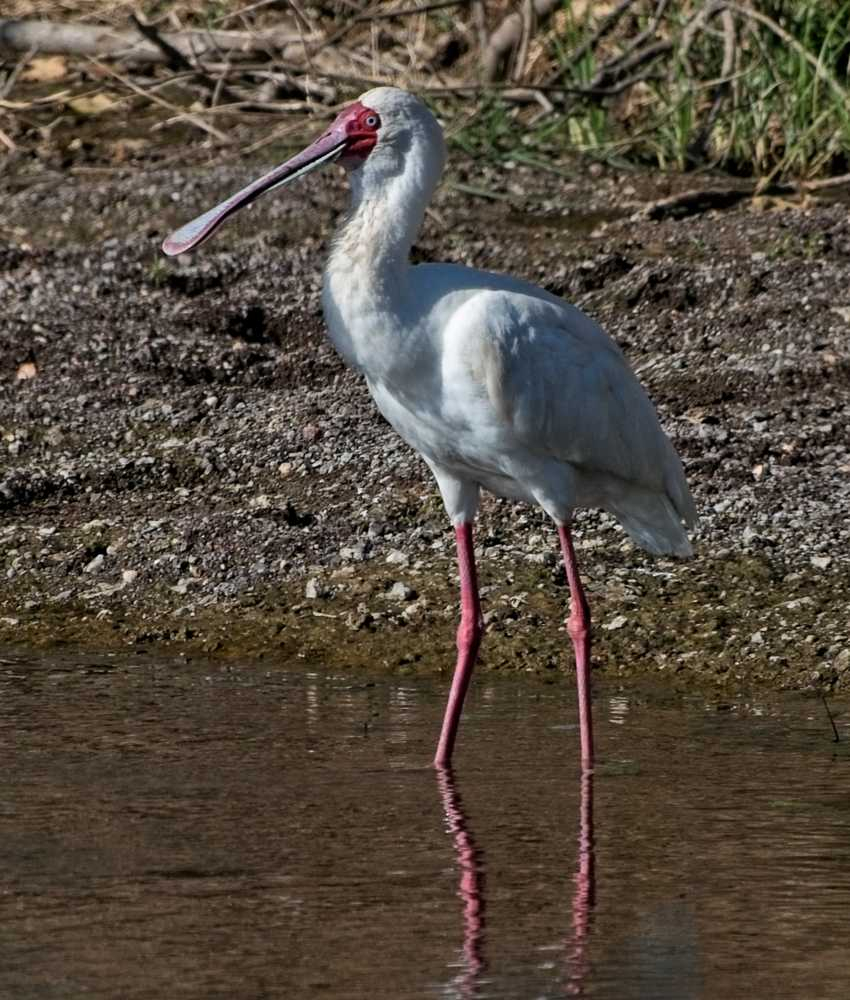
Along a different riverbed that had water, we saw a flock of spoonbills. They are cool birds, with their long, flat, spoon-shaped bills. They walk along the water with their bills open, sweeping them back and forth to catch food. Like these two…
One of them posed for us…
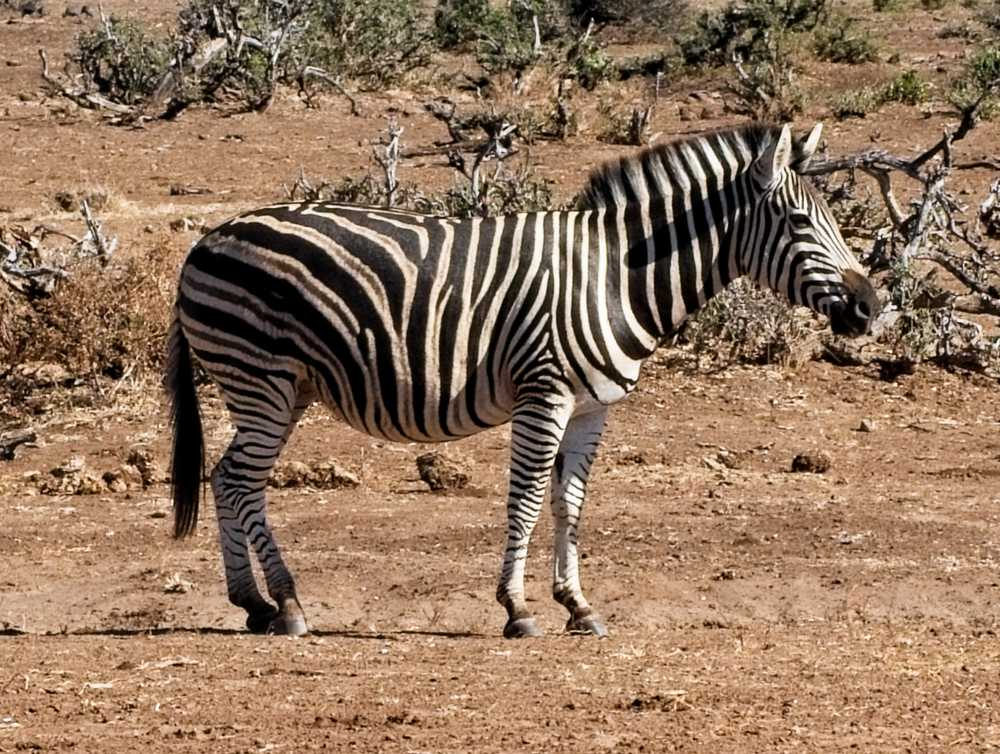
Further along, we ran into a small group of zebras. These are the plains zebra. Later on our trip, in Tswalu, we also saw the mountain zebra.
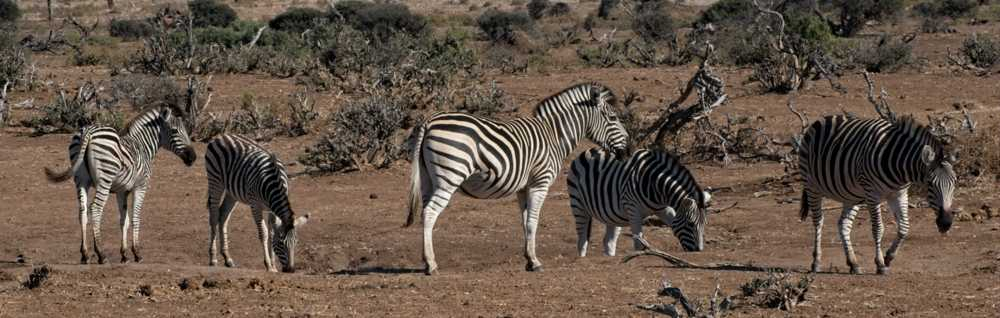
One main way to tell them apart is by their stripes. Plains zebras have strips that go all the way around their belly, while the mountain zebra has a white belly. The plains zebra can also have lighter stripes between the black stripes, such as you see on this zebra, below.
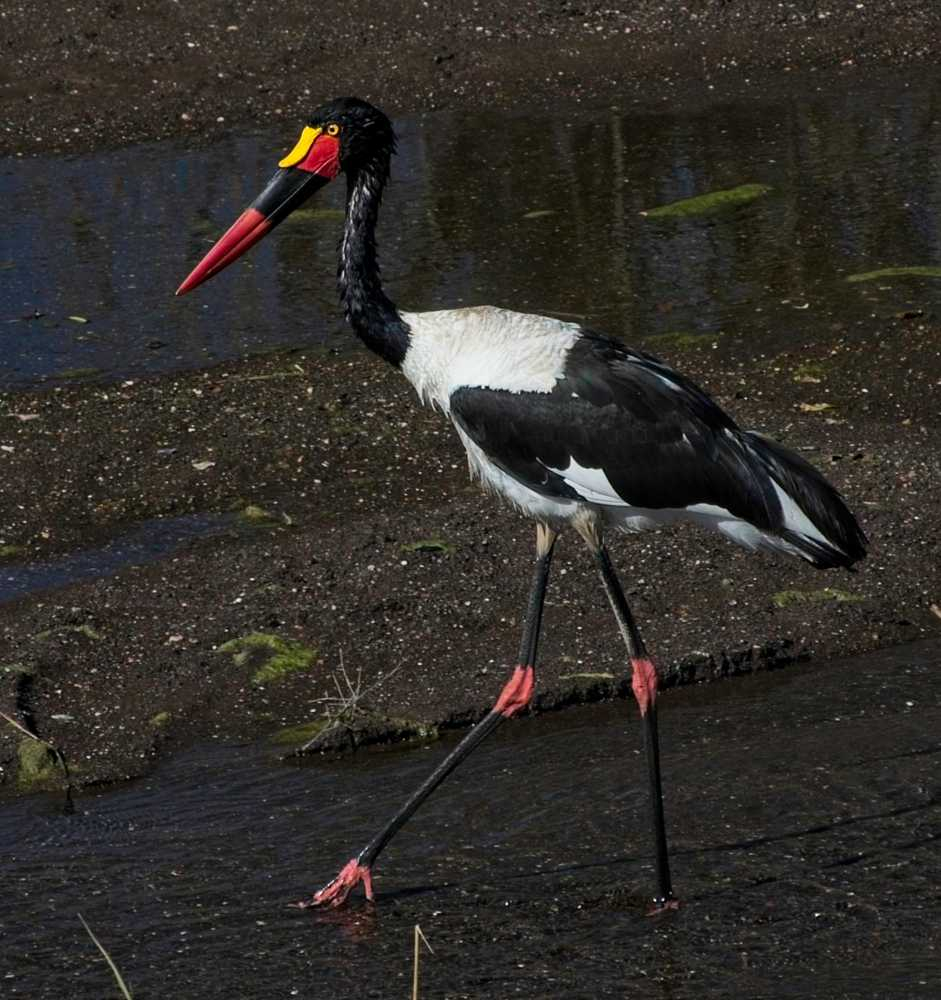
Along yet another area of the riverbeds, we saw the magnificent saddle-billed stork. What a beautiful bird. It grows up to five feet tall and has an 8-9 foot wingspan!
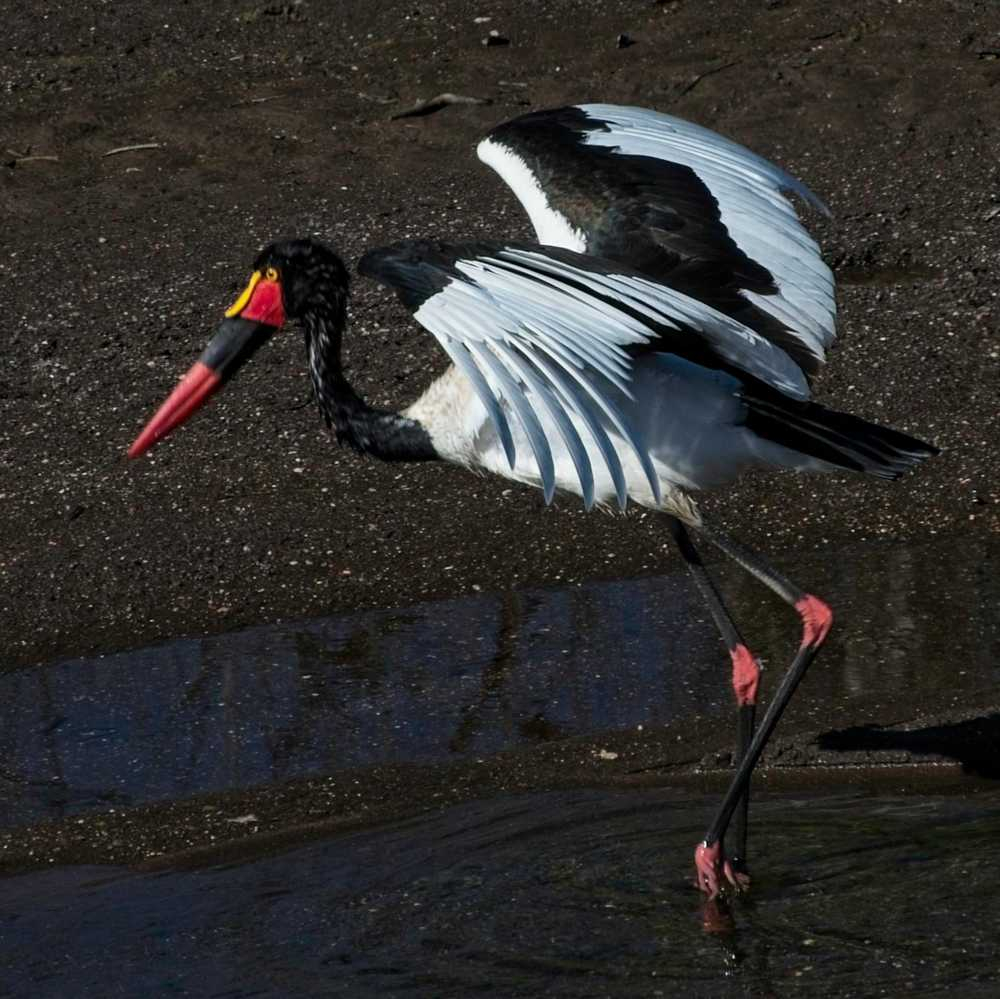
I caught a photo just before the stork took off in flight. I wish I had a picture of him in the air.
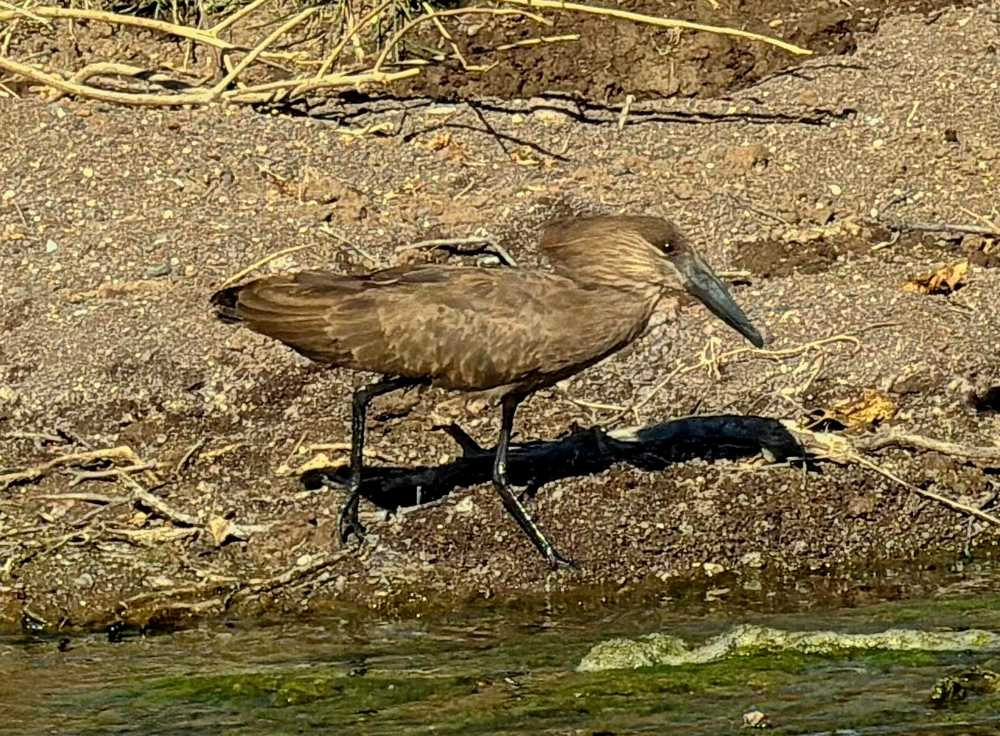
A bit further down the riverbed, we saw this hamerkop. It’s a plain brown bird with an interesting head shape. Its name is Afrikaans for “hammer-head.”
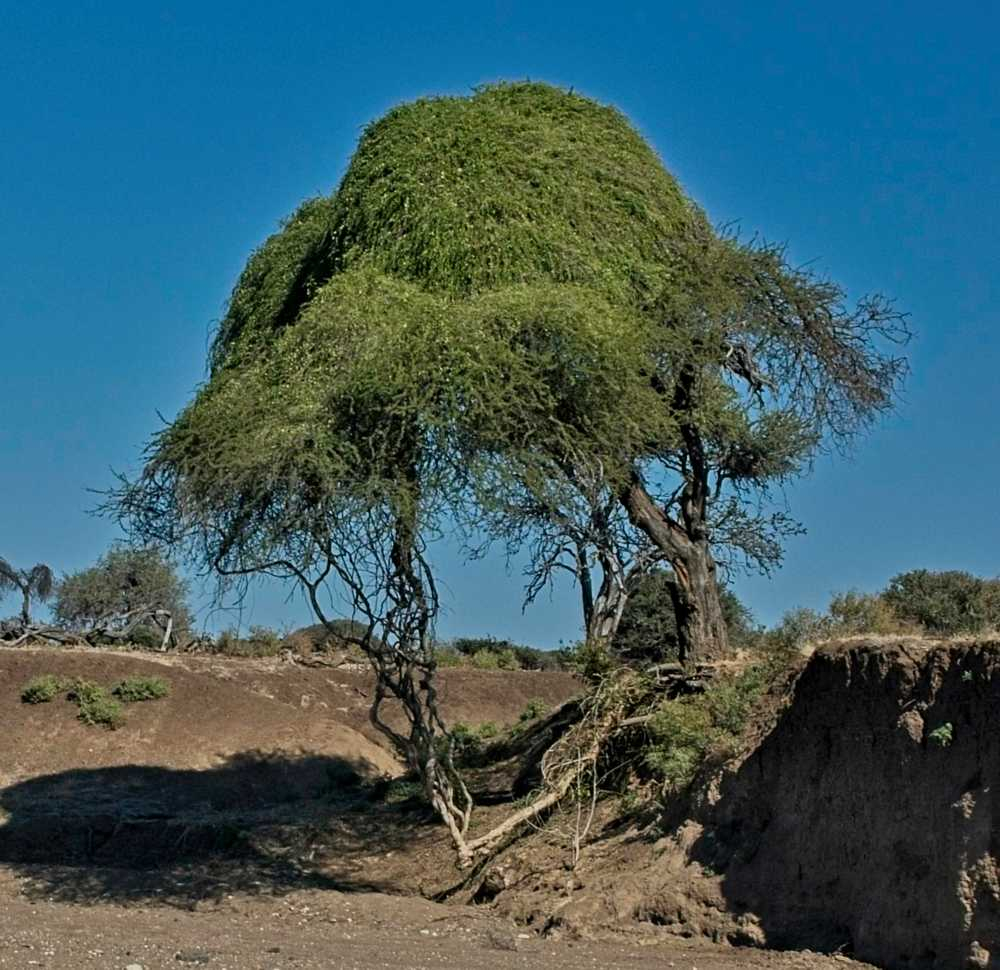
I thought this was an interesting looking tree. It looks almost soft on top. We drove up out of the riverbed to the left ot this tree. You can see how steep the sides are that Tips drives us up and down. You really need to hold on!
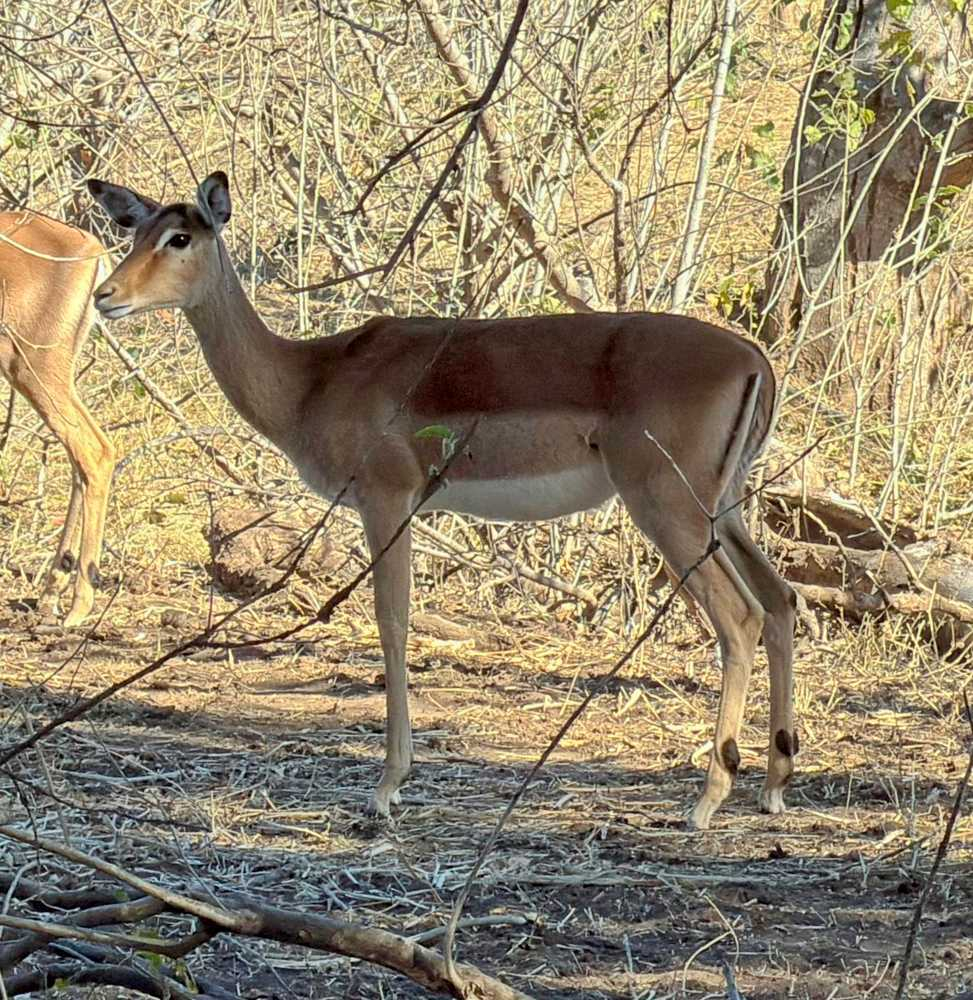
We saw many, many impala on every drive of every day in Mashatu. It’s interesting because we hardly saw any in Tswalu. Here is a female…
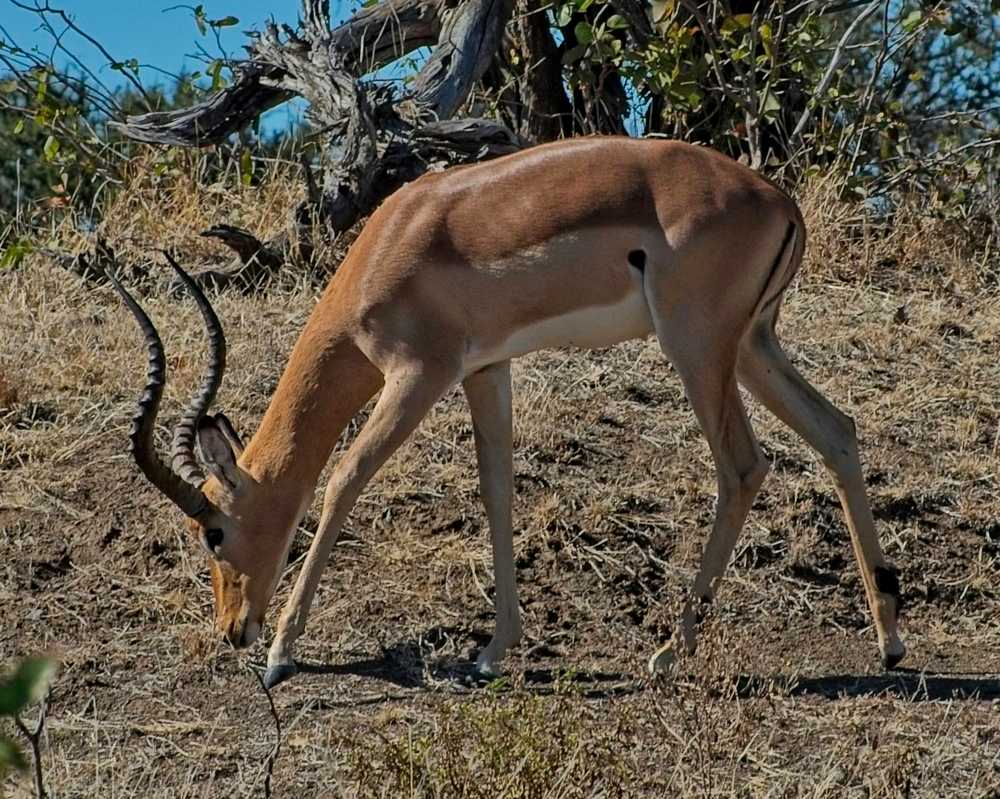
And nearby was this male…
Not far away, we suddenly had a small herd of elephants walking right towards us. They got very close, as you can see by this photo with the truck in the foreground.
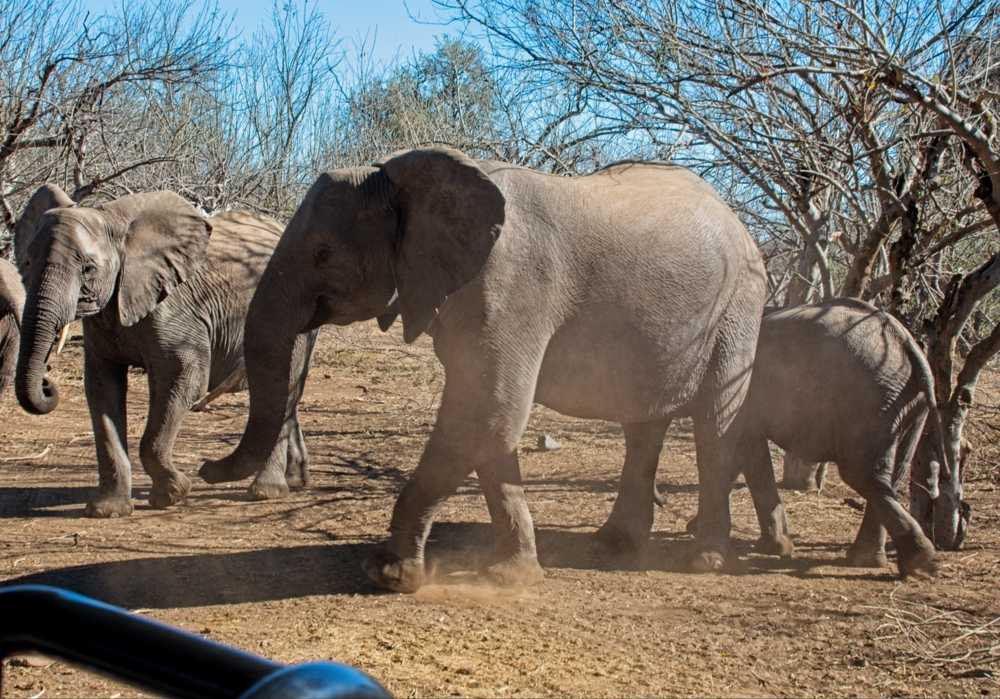
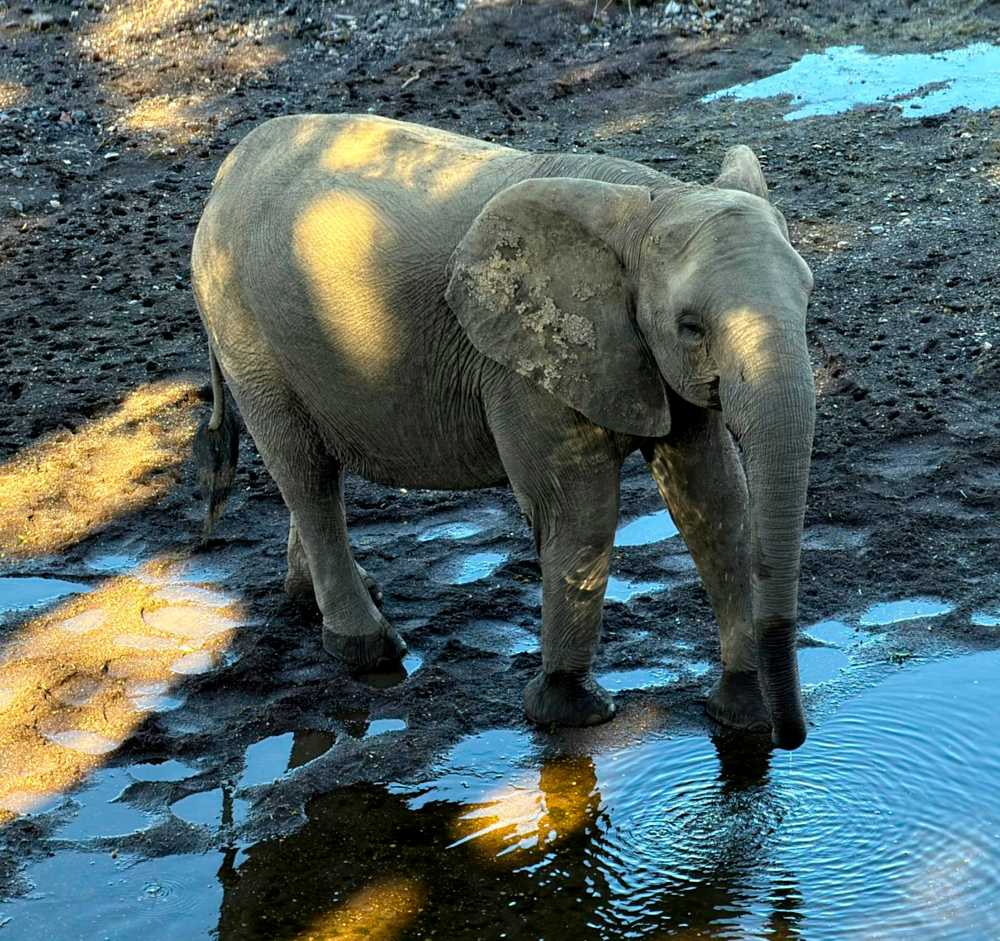
The closest elephant wasn’t too happy to see us, so we moved along fairly quickly. We pulled over under a tree to watch some elephants down below in the river. There were a few of them getting drinks and then climbing up the bank to join the others. Note this youngster doesn’t have any tusks.
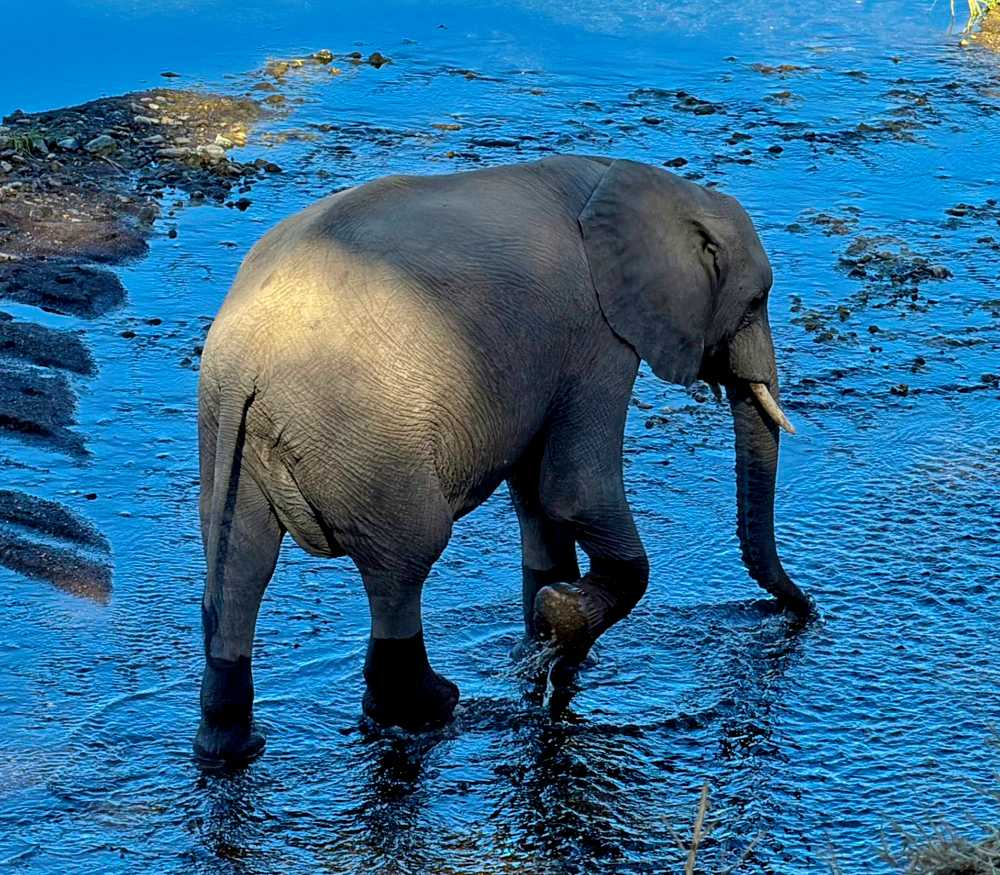
While this one does have tusks.
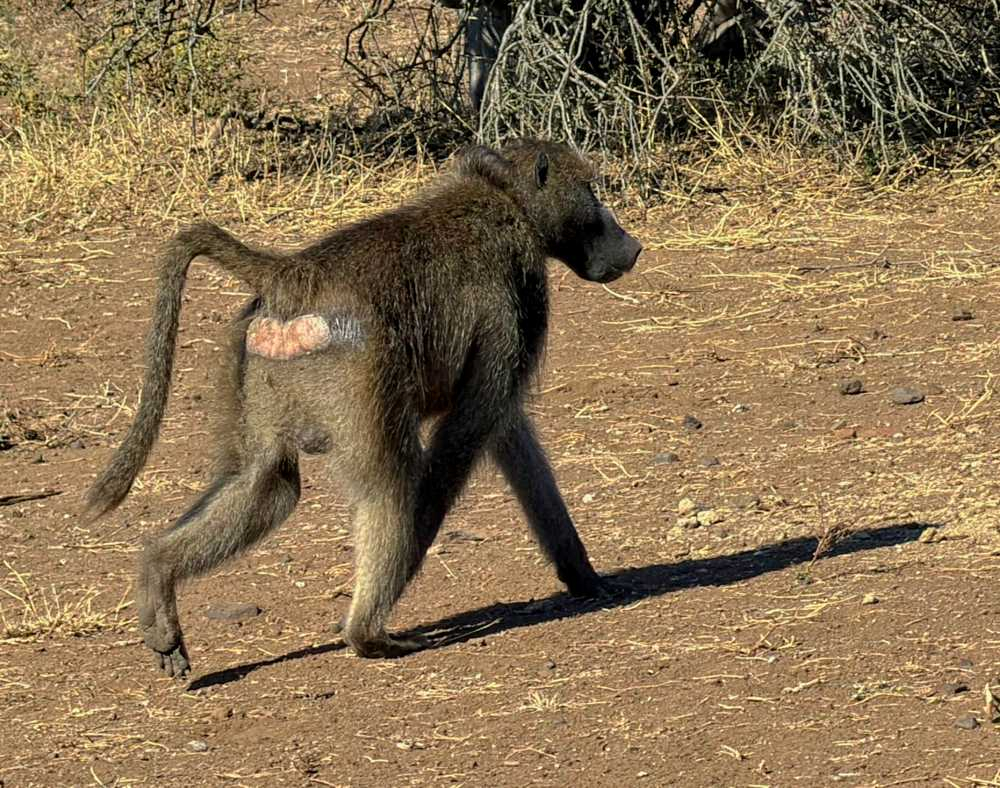
Finally, it was time to head back to the lodge. We saw this baboon along the way.
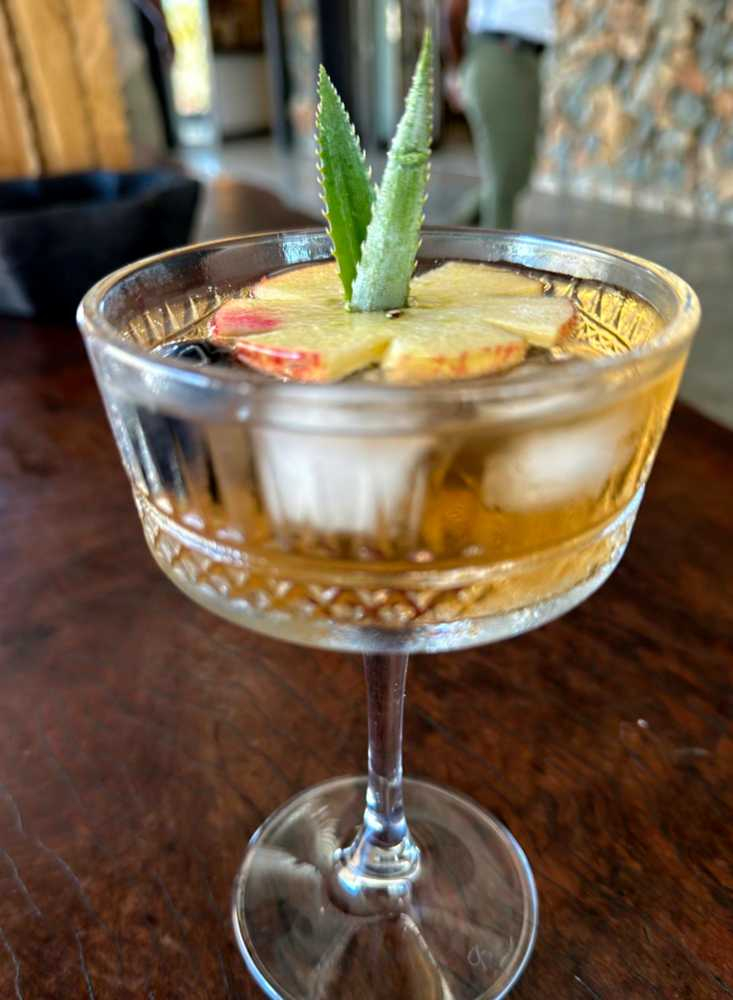
Every time we returned from a drive, they greeted us with a different (non-alcoholic) drink. I don’t recall what this one was, but as usual, it looked pretty and tasted good.
What a great morning! After we returned, we had a delicious breakfast. Then, we had a few hours to relax before our afternoon-evening drive.